
Blog
Sustainable Logistics Practices at Alpenra: Paving the Way for Eco-Friendly Supply Chains


Understanding Sustainability in Logistics
Sustainability in logistics refers to the development and implementation of practices that minimize negative environmental impacts while meeting the needs of businesses and society. In recent years, the logistics industry has been increasingly recognized for its crucial role in fostering eco-friendly supply chains. This shift comes as stakeholders, from consumers to regulators, demand more sustainable operations that prioritize environmental responsibility.
The importance of sustainable logistics lies in its comprehensive approach to addressing challenges such as carbon footprint reduction. By optimizing delivery routes, businesses can significantly decrease fuel consumption, leading to lower greenhouse gas emissions. This not only reduces the overall carbon footprint but also contributes to improved air quality in urban settings, thereby benefiting public health.
Another critical aspect of sustainable logistics is the use of eco-friendly packaging. Traditional packaging materials often contribute to environmental waste, which is increasingly observed in landfills. In contrast, incorporating biodegradable or recyclable materials fosters a circular economy, where resources are reused and repurposed rather than discarded. This practice not only enhances a company’s reputation but also resonates with environmentally conscious consumers.
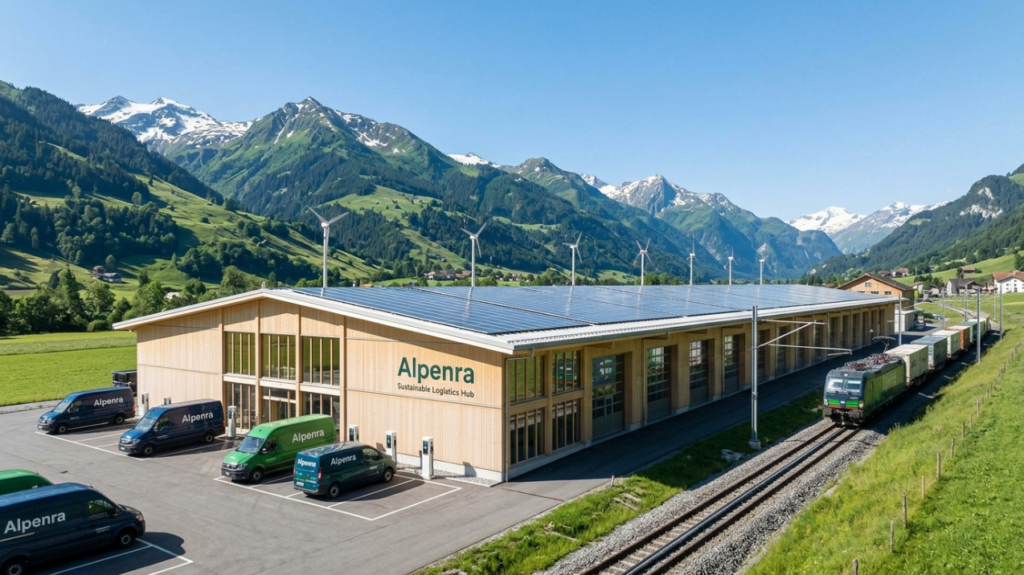
Furthermore, companies like Alpenra are pioneering green delivery solutions that embrace sustainability. By investing in electric vehicles and alternative fuels, Alpenra is leading the way in reducing the carbon emissions associated with traditional delivery methods. Such commitments not only emphasize environmental stewardship but also align with the broader goals of EU sustainability initiatives that aim to achieve significant reductions in greenhouse gases across various sectors.
Finally, embracing sustainable logistics is not merely a trend; it has become a necessity for modern businesses looking to thrive in a competitive marketplace. Adopting eco-friendly practices not only enhances operational efficiency but also strengthens brand loyalty amongst consumers who prioritize sustainability. As the logistics industry continues to adapt, it is evident that sustainable logistics will play a vital role in shaping the future of global supply chains.
Eco-Friendly Packaging Solutions
Alpenra is committed to sustainable logistics by incorporating eco-friendly packaging solutions within its supply chain. With the growing recognition of the environmental challenges associated with traditional packaging materials, Alpenra has shifted its focus towards using biodegradable, recyclable, and reusable materials, showcasing a significant commitment to carbon footprint reduction.
One prevalent method employed by Alpenra is the use of biodegradable materials for packaging. These materials, which break down naturally over time, significantly lessen the impact of waste on the environment. For instance, the company has transitioned some of its product packaging to include plant-based materials that decompose without leaving harmful residues. This approach not only minimizes landfill contributions but also aligns with the principles of EU sustainability regulations, encouraging a circular economy.
Recyclability is another key aspect of Alpenra’s packaging solutions. The company utilizes packaging materials that can be easily sorted and processed into new products, thereby reducing the demand for virgin resources and minimizing environmental degradation. A case study illustrating this practice involves a recent product line that incorporated 75% recyclable materials. After encouraging consumers to participate in recycling initiatives, Alpenra observed a substantial increase in recycling rates, demonstrating that eco-friendly packaging can influence consumer behavior positively.
Moreover, reusable packaging options are becoming increasingly popular among consumers seeking to reduce their carbon footprint. Alpenra has introduced a program allowing customers to return packaging for reuse, facilitating a more sustainable supply chain. Feedback from consumers illustrates a shift in brand perception, with many indicating that the company’s efforts in using eco-friendly packaging enhance their loyalty and increase their overall satisfaction.
Through these innovative packaging solutions, Alpenra significantly contributes to the enhancement of sustainable logistics, the promotion of ecologically responsible consumer behavior, and the advancement of a greener, more sustainable future.
Optimizing Delivery Routes for Sustainability
In the pursuit of sustainable logistics, optimizing delivery routes emerges as a pivotal strategy for reducing fuel consumption and mitigating emissions. At Alpenra, advanced logistics software plays a central role in this endeavor by leveraging sophisticated algorithms that meticulously analyze real-time traffic patterns, weather conditions, and delivery schedules. By employing these technologies, Alpenra is able to devise the most efficient delivery routes that minimize travel time and distances, leading to a substantial decrease in the carbon footprint associated with transportation.
The integration of route optimization tools not only contributes to eco-friendly delivery practices but also translates into significant cost savings and enhanced operational efficiency. By reducing unnecessary miles traveled, Alpenra can decrease fuel expenses, ultimately allowing for more competitive pricing and improved service delivery. Furthermore, the reduced carbon output aligns closely with the firm’s commitment to EU sustainability initiatives, showcasing its dedication to providing environmentally responsible logistics solutions.
For instance, during a recent analysis, Alpenra utilized its route optimization technology to alter the delivery schedule for a prominent client, resulting in a remarkable 20% reduction in fuel usage. This change, implemented through the real-time adaptation of delivery routes based on current traffic conditions, significantly lowered emissions while ensuring timely deliveries. Such practices exemplify how embracing innovative technology can yield profound benefits for both the environment and the bottom line.
Ultimately, optimizing delivery routes is not merely a logistical enhancement; it is a fundamental aspect of sustainable logistics at Alpenra. By focusing on tailored solutions that prioritize eco-friendly packaging and methods, the company not only champions carbon footprint reduction but also sets a benchmark for others in the industry striving for sustainable supply chains.
Measuring and Reducing the Carbon Footprint
In recent years, the focus on sustainable logistics has intensified, prompting companies like Alpenra to evaluate their carbon footprint rigorously. Understanding the emissions generated throughout the supply chain is crucial, and Alpenra employs a variety of metrics and tools to facilitate this measurement. With advanced analytics and reporting software, the company can systematically assess greenhouse gas emissions related to its logistics operations, from warehousing and distribution to transportation.
Setting ambitious yet achievable reduction targets is essential for driving real change in eco-friendly supply chains. Alpenra has established specific goals to lower its carbon emissions over time, incorporating best practices aligned with EU sustainability regulations. This proactive approach not only enhances operational efficiency but also demonstrates the company’s commitment to reducing its environmental impact.
As part of its sustainability initiatives, Alpenra has implemented robust carbon offset programs. These programs contribute to greater carbon footprint reduction by investing in renewable energy projects, reforestation initiatives, and other environmental conservation efforts. Through these strategies, the company aims to make meaningful contributions to global sustainability goals, thereby fostering a cleaner and healthier planet.
Transparency plays a significant role in sustainable logistics. Alpenra openly shares its carbon footprint measurements and reduction strategies with stakeholders and consumers alike. This accountability fosters trust and encourages customers to support businesses committed to sustainable practices. Additionally, consumers can influence change by opting for products and services from companies like Alpenra that prioritize eco-friendly packaging and sustainable logistics solutions.
In conclusion, Alpenra’s comprehensive approach to measuring and reducing its carbon footprint encapsulates its dedication to sustainable logistics. By embracing accountability and engaging with consumers, the company is paving the way for a more environmentally responsible future in supply chain management.

 English
  German
  French
  Italian
  Spanish