
Blog
Optimizing Warehouse Operations for Fast and Reliable Delivery Across Europe: The Case of Alpenra

Introduction to Alpenra’s Warehouse Operations
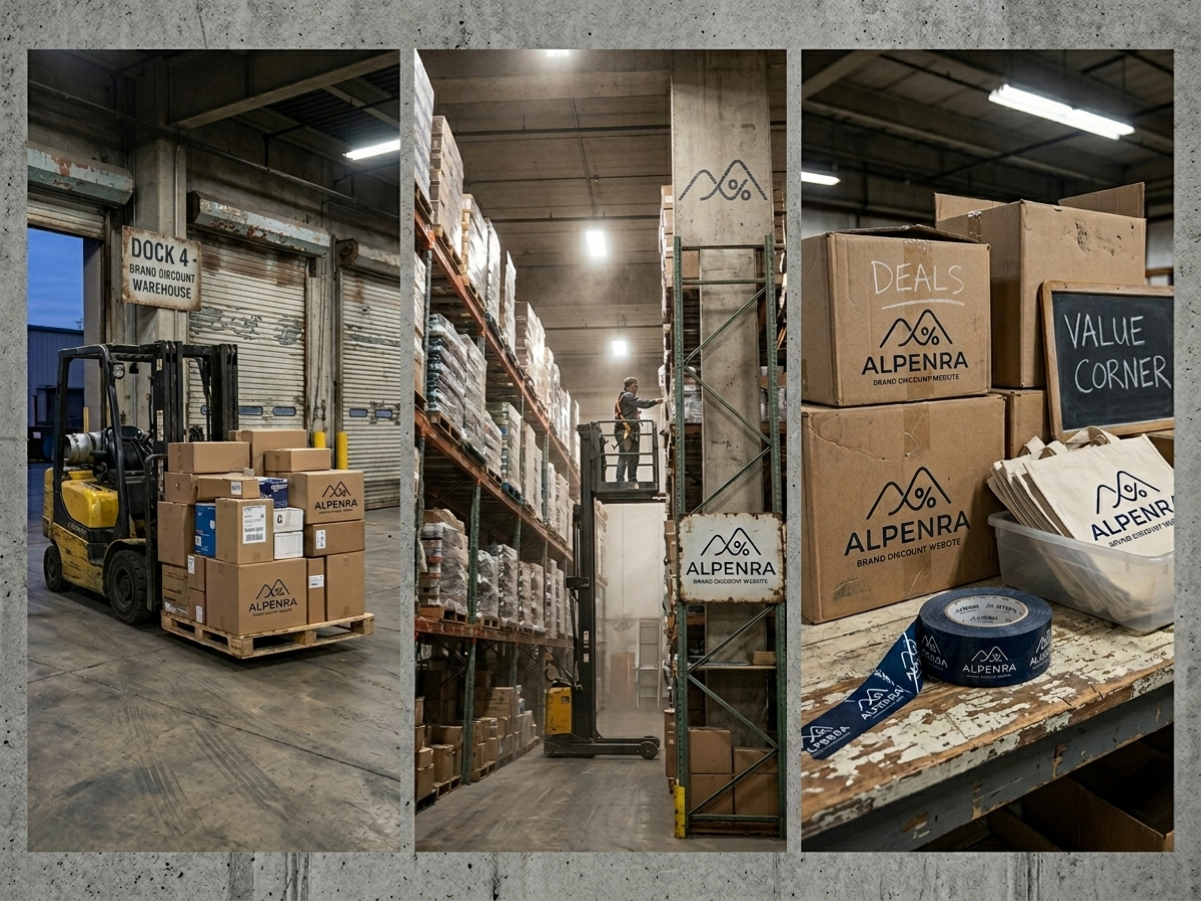
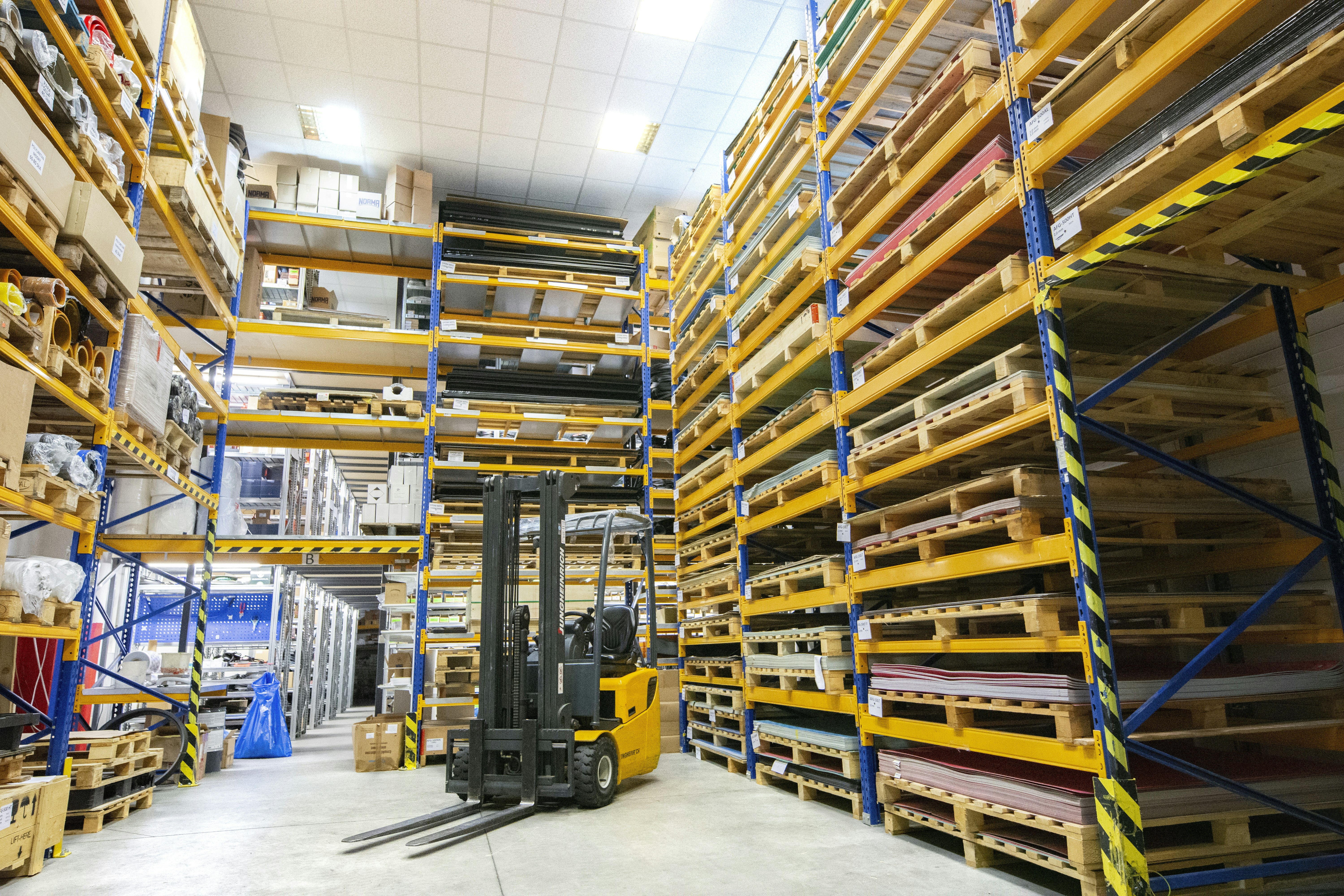
Alpenra operates state-of-the-art warehouse facilities strategically located in Leipzig, Germany, and Helsinki, Finland. These locations have been carefully chosen for their connectivity to major transport routes and their capacity to bridge various markets within Europe, ensuring seamless delivery services. The Leipzig warehouse positions Alpenra at the heart of Germany’s logistics network, offering proximity to key autobahn links and the capabilities needed for fast EU shipping. Similarly, the Helsinki site enhances access to Northern European locations, providing a vital distribution point to cater to the growing demand in this region.
The infrastructure in both warehouses is designed to support complex logistics operations. Utilizing cutting-edge technology, Alpenra integrates sophisticated inventory management systems with advanced sorting and handling equipment. This blend of technology and infrastructure allows for efficient order processing and discount delivery options tailored to meet customer needs. Furthermore, these operations are supported by reliable logistics practices, enabling Alpenra to maintain high standards of service throughout Europe.
In both facilities, the focus on optimization extends beyond mere storage; it encompasses the entire supply chain process. By employing data-driven strategies and real-time tracking capabilities, Alpenra ensures that its operations remain agile. This not only improves the speed of delivery but also reduces the likelihood of discrepancies in order fulfillment. The combination of the Leipzig and Helsinki warehouses affords Alpenra a unique edge in the highly competitive logistics market, establishing it as a key player in the region.
Logistics Efficiency: Key Strategies and Technologies
The success of Alpenra warehouse operations, particularly in Germany and Finland, can be attributed to a series of strategic logistics practices designed to enhance efficiency and ensure fast EU shipping. Central to this is the implementation of advanced inventory management systems which play a crucial role in optimizing stock levels and reducing lead times. By utilizing real-time tracking, Alpenra warehouses can maintain accurate inventories, diminishing the likelihood of stockouts or excess inventory that can hinder swift delivery.
Moreover, automation has emerged as a pivotal strategy in refining warehouse operations. Automated systems streamline procedures such as picking, packing, and sorting, which significantly boosts productivity. For instance, Alpenra employs automated guided vehicles and robotics to handle repetitive tasks efficiently, allowing staff to focus on more complex operations. This not only accelerates the processing time for orders but also minimizes human errors, contributing to reliable logistics.
Transportation solutions also play an integral role in ensuring that packages reach their destinations quickly and effectively. Alpenra’s commitment to establishing robust partnerships with various transport services means that customers benefit from discount delivery options without sacrificing speed. Furthermore, employing data analytics empowers Alpenra to make informed decisions about routing and scheduling, further enhancing their delivery capabilities across Europe.
By integrating these technologies and strategies, Alpenra warehouse operations reflect a well-orchestrated effort to respond effectively to the increasing demands of the European market. As the logistics landscape continues to evolve, the practices adopted by Alpenra stand out as a model for efficiency, ensuring that the warehouses do not only meet customer expectations but also pave the way for future improvements in the sector.
Customer Benefits of Fast and Reliable Deliveries
Efficient warehouse operations are pivotal in enhancing customer satisfaction, and Alpenra warehouse Germany exemplifies this with its streamlined processes aimed at achieving fast and reliable delivery. A key benefit customers experience is significantly improved delivery times. By optimizing logistics and employing advanced fulfillment strategies, Alpenra ensures that products reach their destinations swiftly. This is particularly important in today’s fast-paced environment, where consumers increasingly expect quick turnarounds on their orders.
Moreover, the emphasis on reliability translates into enhanced order accuracy. Customers can trust that when they place an order, they will receive exactly what they requested, which is crucial for maintaining positive relationships and fostering repeat business. Accurate order fulfillment not only reduces returns but also increases operational efficiency within the alpenra warehouse Finland, further streamlining the supply chain process.
Overall customer satisfaction is another significant advantage that stems from the fast and reliable deliveries provided by Alpenra. When customers receive their orders swiftly and accurately, their experience improves, leading to increased loyalty. A satisfied customer base is more likely to recommend the services, providing a competitive edge in the marketplace. Alpenra’s commitment to reliable logistics and discount delivery options underscores its dedication to meeting customer needs while remaining competitive in pricing.
Furthermore, these operational efficiencies create a ripple effect, enhancing the overall reputation of Alpenra as a logistics leader in the European market. In conclusion, fast and reliable deliveries not only contribute significantly to customer satisfaction but also play a crucial role in promoting loyalty and bolstering Alpenra’s standing as a formidable player in the logistics industry.
Future Trends in Warehouse Operations and Their Impact
As the logistics landscape continues to evolve, several key trends are shaping the future of warehouse operations, with significant implications for facilities like Alpenra’s warehouses in Germany and Finland. One of the most paramount trends is the emphasis on sustainability. In response to increasing consumer demand for environmentally friendly practices, warehouses are adopting energy-efficient technologies, utilizing solar power, and implementing waste reduction strategies. This not only minimizes the carbon footprint but also attracts eco-conscious customers looking for companies that prioritize sustainable practices, further enhancing the appeal of Alpenra’s logistics solutions.
Another noteworthy trend is the advancement of automation and robotics within warehouse environments. Automated systems, such as robotic picking and sorting, enhance operational efficiencies by reducing human error and speeding up processes. With the integration of such technology, Alpenra can ensure fast EU shipping and improve reliability in delivery operations. Furthermore, automation also alleviates labor shortages by providing support during peak periods, ultimately resulting in cost savings and increased throughput.
The incorporation of artificial intelligence (AI) and machine learning (ML) into warehouse management systems is poised to revolutionize operational efficiency. These technologies enable predictive analytics, which can optimize inventory management and streamline supply chain operations. By analyzing vast amounts of data, AI can forecast demand fluctuations, allowing Alpenra to manage stock levels effectively, contribute to discount delivery options, and enhance customer satisfaction. Moreover, predictive maintenance powered by AI can prevent equipment failures, ensuring that the logistics operations remain uninterrupted.
In conclusion, evolving trends such as sustainability, automation, and the integration of artificial intelligence present both challenges and opportunities for Alpenra’s warehouse operations. By adapting to these trends, Alpenra can improve its service offerings and remain competitive within the European logistics market.

 English
  German
  French
  Italian
  Spanish